Holi Color Pattern Bluework for Real Projects
As an experienced embroidery designer and product reviewer, I always approach a new embroidery file with curiosity and a critical eye. The Holi Color Pattern Bluework caught my attention not just because of its aesthetic appeal, but also for how it might perform in real-world applications like custom apparel, personalized gifts, or boutique merchandise. In this review, I’ll walk you through my practical evaluation of the design from the perspective of someone who uses it daily in both personal and commercial embroidery projects.
First Impressions: Mood and Visual Personality
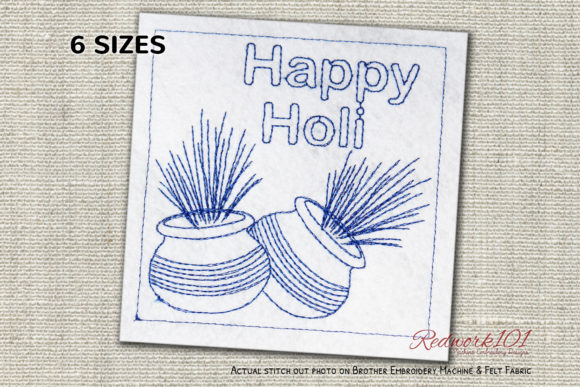
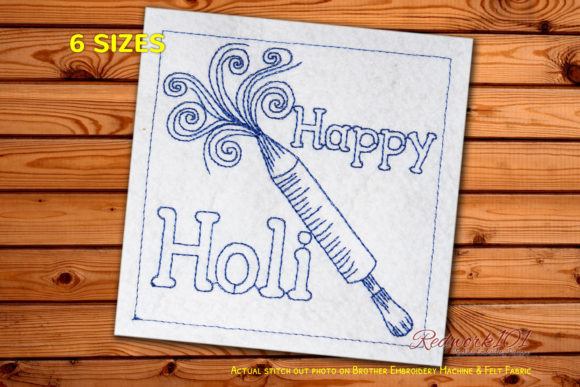
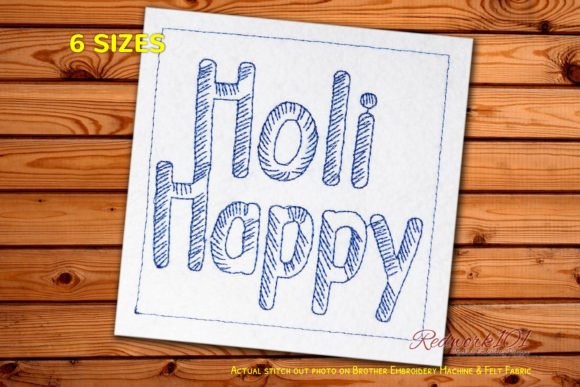
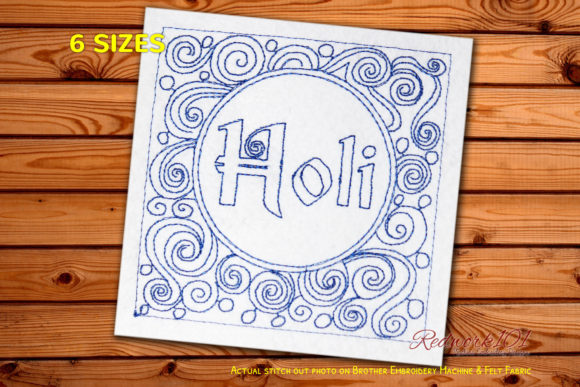
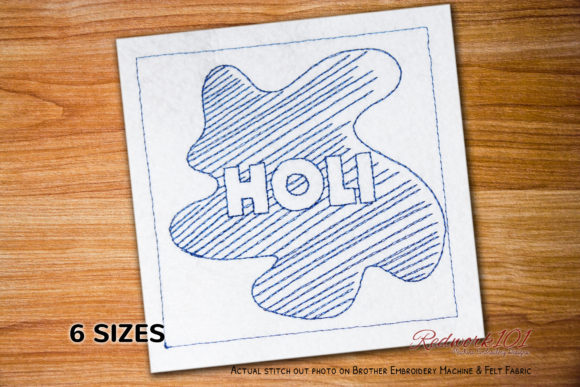
The Holi Color Pattern Bluework has a distinct charm rooted in traditional motifs, yet it feels modern enough to blend into a variety of contemporary products. Its layout is clean and balanced, which immediately suggests versatility. The color scheme—primarily blue with optional contrasting outer box stitching—adds a layer of depth that can be adjusted depending on the fabric and thread palette used.
What stands out is the mood it conveys. The pattern feels celebratory and whimsical, making it ideal for seasonal items or handmade gifts. It’s reminiscent of South Asian textiles, particularly those associated with festive occasions. If you’re working within the Asia-inspired theme, this design could easily become a signature piece in your handmade product lineup.
Theme and Layout Considerations
The central motif is well-proportioned, allowing it to stand alone or complement other elements without overwhelming them. I noticed that the outer box stitch is optional, which gives designers some flexibility when applying the machine embroidery design. This feature is especially useful when adapting the pattern for different garment types or fabric textures.
However, one thing to keep in mind is that the design’s visual weight comes primarily from the blue tones. If you're using it on dark or heavily textured fabrics, you may need to adjust the thread colors or add stabilizer to maintain clarity. For lighter backgrounds, it shines with a soft yet vibrant presence.
Real-World Applications: What Works Best?
I tested the Holi Color Pattern Bluework on a few common embroidery project surfaces to see how it translates from screen to fabric:
- Tote bag design: The pattern stitched beautifully on cotton canvas. It added a decorative touch without being too busy. A great choice for eco-friendly bags or event giveaways.
- Sweatshirt embroidery: On a medium-weight fleece, the design held up well with proper stabilizer. The blue tones were rich, and the optional box stitch helped frame the pattern neatly.
- Baby clothes: When applied to a onesie, the design was delicate and charming. I recommend using light-colored threads to keep the look gentle and suitable for children’s wear.
- Pillow covers: As part of a decorative set, the pattern added a pop of cultural flair. The symmetry of the design made it easy to center and align across multiple pieces.
- Tea towels: The fill stitch areas worked well here, though I’d advise against using overly dense stitch patterns to avoid stiffness after repeated washing.
In all these cases, the design felt cohesive and professional. Its adaptability makes it a strong candidate for holiday gifts, nursery decor, or even as a brand element for small shops selling handmade products.
Where to Use With Caution
While the Holi Color Pattern Bluework is versatile, there are a few situations where extra care is needed:
- Small hoop sizes: Some parts of the design may lose detail if forced into a tight space. Always check the minimum recommended hoop size before proceeding.
- Stretchy or thin fabric: These materials can distort the pattern unless supported by high-quality cutaway or tear-away stabilizers.
- Dark fabric backgrounds: The blue tones may appear muted. Consider switching to white or silver threads for better visibility.
- Curved surfaces like caps or curved patches: The pattern may require resizing or adjusting the stitch directions for smooth results.
- Dense stitch areas: While beautiful, densely packed stitches can cause puckering or stiffness. Review the stitch density settings carefully.
These are not deal-breakers, but they do require thoughtful planning to ensure the final finished product meets expectations.
Customer Reaction and Project Value
One of the things I value most in a design is how it impacts customer perception. After showing off a sample tote bag with the Holi Color Pattern Bluework at a craft fair, I received several positive reactions. People loved the subtle elegance and the cultural inspiration behind it. It’s the kind of design that makes customers feel like they’re getting something special—something handcrafted rather than mass-produced.
This emotional response directly affects product value and customer trust. Using this design on Etsy listings or small shop products can elevate the perceived quality of your offerings. It also enhances brand consistency if you're aiming for a line of Asian-inspired embroidery items.
Giftability and Recognition
When it comes to personalized gifts, this design ticks many boxes. Its unique character helps products stand out, whether it’s a holiday gift, a wedding accessory, or a nursery item. The bluework style is instantly recognizable and brings a sense of authenticity to the handmade presentation.
For digital embroidery files, the pattern works well in mockups. I’ve included it in a few printable templates for craft business owners who want to showcase their embroidered items online. The clarity of the lines and the structured layout make it easy to visualize in design assets and commercial embroidery contexts.
Designer Notes: Practical Tips for Use
Before integrating Holi Color Pattern Bluework into your next project, here are some steps I recommend to ensure optimal results:
- Test on scrap fabric first: Especially important if you plan to use it on stretchy, thin, or textured materials.
- Check thread color contrast: Ensure the blue tones will show up clearly on your chosen fabric background.
- Review stitch density: Adjust fill stitch coverage if the design appears too stiff or pucks on the material.
- Confirm hoop size requirements: Avoid forcing the design into smaller hoops unless necessary.
- Inspect small details: Make sure any intricate elements remain clear and legible after stitching.
- Use proper stabilizer: Especially for lightweight or wash-prone items like tea towels or baby clothes.
- Test in black and white mockups: To evaluate how the design holds up without color distractions.
- Compare light and dark backgrounds: See which gives the best balance and visual impact.
- Verify commercial use rights: If you're an Etsy seller or digital product seller, confirm the licensing allows resale of finished goods or digital downloads.
Stitch Clarity and Fabric Texture
The pattern’s structure is such that it maintains good stitch clarity across most surfaces. However, when using it on textured fabrics like linen blends or denim, the fine lines may get lost slightly. In such cases, increasing the stitch length or changing the thread color (to something bolder) can help restore definition.
If you're working with applique designs, consider pairing Holi Color Pattern Bluework with a complementary satin-stitched border or backing. This not only adds dimension but also ensures the design remains prominent.
Final Thoughts on Embroidery Design Utility
The Holi Color Pattern Bluework isn’t just another pretty embroidery file—it's a design that communicates intention and artistry. Whether you're creating a custom apparel collection, designing embroidered patches, or looking to inject some global flair into your handmade products, this pattern has the potential to enhance your work significantly.
Its strength lies in its balance between tradition and modernity. But like any good embroidery design, it needs careful handling to preserve its integrity. By testing it thoroughly and understanding how it behaves on various substrates, you can confidently include it in your craft fair products, digital product previews, or commercial embroidery workflows.
If you're a creative entrepreneur or small business owner, this pattern offers a unique opportunity to differentiate your Embroidery items in a crowded market. Just remember to tailor your execution based on the end-use and audience expectations.