Meowing Cat: A Playful Embroidery Design for Creative Projects
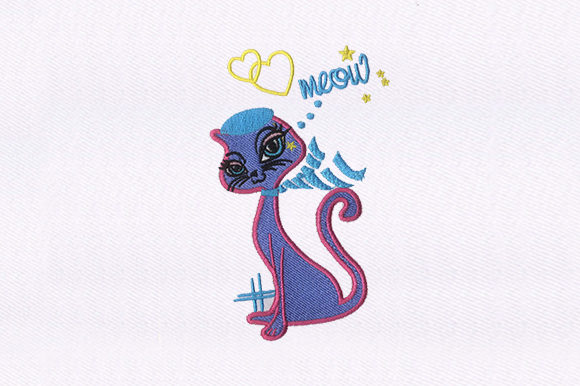
When I first opened the Meowing Cat embroidery design in my software, it immediately caught my eye with its expressive charm and well-balanced layout. The stylized cat appears to be mid-meow, a dynamic pose that brings a sense of whimsy and personality to any project. As an experienced designer who regularly evaluates machine embroidery files for real-world use, I appreciate how this design feels both fun and functional — not just cute for the sake of being cute, but composed in a way that makes it versatile across multiple product types.
First Impressions and Visual Personality
The Meowing Cat has a soft, rounded shape that’s ideal for creating a friendly vibe on custom items. Its eyes are slightly wide, suggesting surprise or curiosity, while the mouth is stretched into a meow that adds motion to the piece. This kind of visual storytelling works well in handmade products, especially those aimed at children or pet lovers. The detail level is moderate, which means it can stitch cleanly without overloading the fabric or requiring excessive time from the embroiderer.
I could see this design fitting beautifully on a range of surfaces, including tote bags, sweatshirts, baby clothes, and even nursery decor. It doesn’t scream “cutesy” like some cartoon-style designs might; instead, it offers a more subtle, artistic interpretation of a cat’s expression. That balance makes it suitable for both personal gifts and commercial embroidery projects where a touch of warmth is needed without being too childish or too minimalist.
Real-Life Use Cases and Performance
Let’s say you’re preparing a batch of custom embroidered sweatshirts for your boutique line. You want something unique that stands out but still maintains a professional look. Meowing Cat could work wonders here. The design uses a mix of satin stitch and fill stitch, allowing it to pop against different fabric textures while maintaining clarity and definition.
If you're an Etsy seller working on personalized gifts, such as embroidered onesies or pillows, this design could become a signature element in your shop. The playful yet elegant style aligns well with gift-oriented products, and it’s easy to imagine customers smiling when they see the finished item. On a pillow cover or tea towel, it adds character without overwhelming the space.
For those using the design in printable mockups or digital product previews, the layout remains consistent and clear. It’s not cluttered, so it translates well visually in online listings. As a design asset, it can be layered with other elements like text or floral accents to create a cohesive theme across your handmade product line.
What Makes Meowing Cat Stand Out?
- Visual Appeal: The cat's posture and facial expression give it a lively presence that enhances the overall aesthetic of the project.
- Stitch Clarity: The lines are clean and deliberate, making it easier to achieve sharp results, especially on medium-weight cotton or blends.
- Product Value: Adding this design to a tote bag or apron instantly elevates the perceived quality and uniqueness of the item.
- Customer Trust: When used correctly, the design reinforces the idea that your handmade products are thoughtfully crafted and appealing.
- Brand Consistency: If your brand leans toward playful, animal-themed designs, this one fits perfectly and helps build a recognizable identity.
- Giftability: It’s charming enough to make people feel good about giving it as a holiday or birthday gift, particularly for cat lovers.
- Recognition: The design is memorable and easily identifiable, which is a big plus if you're aiming for repeat buyers or social media shares.
- Professionalism: Despite its playful nature, the stitching structure suggests a well-designed file that respects the craft of embroidery.
- Buyer Engagement: Whether it’s an embroidered patch or a decorative sweatshirt, this design invites interaction and conversation.
Where to Use with Caution
While Meowing Cat is a strong contender for many embroidery projects, there are certain situations where extra care is needed. For example, if you plan to stitch it onto a curved surface like a cap or hat, the design may require adjustment to maintain its proportions. Similarly, small hoop sizes could challenge the visibility of the cat’s finer details, so always check the recommended hoop size before starting production.
Textured fabrics like denim or canvas might cause the satin stitches to appear uneven or distorted. Thin or stretchy materials also demand attention — consider using a stabilizer underneath to prevent puckering. Dark fabric backgrounds can mute the design's impact, so thread color selection becomes critical. Always test the design on scrap material first to assess how the stitch density interacts with the fabric type and how the colors stand out.
Also, keep in mind that the design includes intricate features such as whiskers and ears. These delicate parts may need reinforcement or alternative stitch settings depending on the fabric and thread you choose. If you're planning to use it on products that will endure frequent washing (like kitchen towels or aprons), ensure the threads are high-quality and the design isn't overly dense, which could lead to wear over time.
Designer Notes for Real Project Use
- Test First: Always try stitching Meowing Cat on a scrap piece of fabric similar to what you’ll use for the final product. This helps identify potential issues early.
- Check Thread Contrast: Choose thread colors that complement or contrast your fabric background to maximize visual impact.
- Review Stitch Density: If the design feels too packed or sparse after testing, adjust the density settings to suit your specific project needs.
- Confirm Hoop Size: Make sure your hoop can accommodate the full dimensions of the design without cutting off important details.
- Inspect Small Details: The whiskers and inner ear lines are subtle but add depth. Ensure they’re visible and intact after stitching.
- Use Proper Stabilizer: Especially for thin or stretchy fabrics, using the right stabilizer is essential for keeping the design flat and neat.
- Mockup Testing: Try rendering the design in black and white to see how it holds up in grayscale, and compare it on both light and dark fabric backgrounds.
- Commercial Readiness: Before selling finished items or digital embroidery files, confirm that the design is appropriate for commercial use and that licensing terms are clear.
Final Thoughts for Craft Businesses and Makers
In the world of machine embroidery design, it's rare to find something that balances creativity with practicality as well as Meowing Cat does. It’s not just another cat illustration — it’s a design that tells a story through its posture and expression. For hobbyists looking to expand their portfolio or Etsy sellers wanting to add a fresh element to their handmade offerings, this is a solid choice.
However, as with all embroidery files, context matters. While the design looks great on screen, its true value comes in how it performs once stitched. Pay attention to the fabric, thread colors, and hoop requirements. With the right preparation, Meowing Cat can transform ordinary items into cherished pieces that resonate with buyers and reflect your craftsmanship.
So whether you're designing a new collection of custom apparel, creating a themed nursery, or simply looking to personalize a gift, take the time to evaluate how this design fits your vision. In the end, it’s not just about the stitch count or file format — it’s about how the design connects with your audience and enhances your creative work.